How Much Crushed Stone Under a Concrete Slab?
A solid slab starts underground. Most residential slabs need 4–6 inches of compacted crushed stone — here is the right depth, the right stone size, and exactly how many tons to order for your slab.
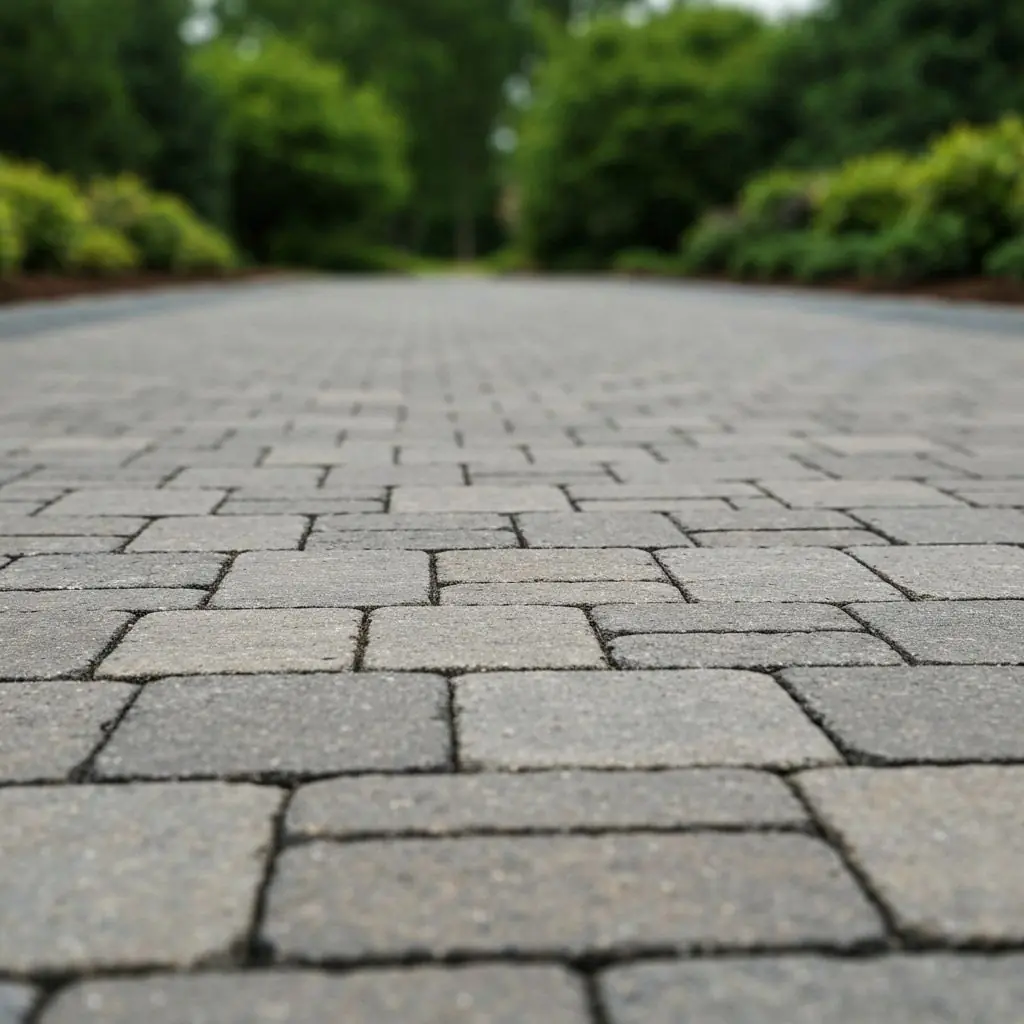
The crushed stone under a concrete slab is not optional filler — it is the foundation that keeps the slab from cracking, settling, and trapping moisture. For most residential slabs the answer is 4 inches of compacted crushed stone, bumped to 5–6 inches on clay or poorly draining ground. This guide covers the recommended depth, the best stone to use, and how to calculate the tons you need.
How Deep Should the Stone Base Be?
Industry guidance is that the combined sub-base under a slab should be at least 4 inches thick. Depth increases with load and poor soil:
- Standard residential slab (patio, shed, walkway): 4 inches of compacted crushed stone
- Clay, silt, or poorly draining soil: 5–6 inches to improve drainage and stability
- Garage or heavier loads: 6 inches, sometimes over a separate sub-base layer
- Cold climates: deeper bases help reduce frost heave under the slab
Whatever the depth, compact it in 2–3 inch lifts rather than all at once — that is how the base actually reaches full density.
What Size Stone to Use
The standard choice is ¾-inch angular crushed stone — usually #57 stone. Its angular faces lock together when compacted, and its open grading drains well, which reduces moisture and frost problems beneath the slab. Some builders place a thin layer of stone dust or sand on top of the #57 to fine-grade a smooth surface before the pour. If your build calls for a dense, fully compactable base instead of open-graded stone, dense-graded aggregate is an option — see the DGA calculator. For the base layer itself, the stone base calculator sizes it for you.
How to Calculate the Amount
Treat the base as a rectangular volume: area times depth, converted to cubic yards, then to tons.
Cubic Yards = Length (ft) × Width (ft) × Depth (ft) ÷ 27
Tons = Cubic Yards × 1.5 (crushed stone ≈ 1.5 tons/yd³)
Example (12×12 slab, 4" base): 12 × 12 × 0.33 ÷ 27 = 1.76 yd³ × 1.5 ≈ 2.6 tons
Add about 10% for compaction and irregular subgrade. The crushed stone calculator does all of this instantly, and our guide on how much crushed stone you need walks through the method in more detail.
Crushed Stone by Slab Size (4" Base)
Quick reference for a standard 4-inch compacted base, including a modest compaction allowance:
| Slab size | Area | Cubic yards | Approx. tons |
|---|---|---|---|
| 10 × 10 ft | 100 sq ft | 1.2 yd³ | ~1.5–2 tons |
| 12 × 12 ft | 144 sq ft | 1.8 yd³ | ~2–2.5 tons |
| 20 × 20 ft | 400 sq ft | 4.9 yd³ | ~5–6 tons |
| 24 × 24 ft (garage) | 576 sq ft | 7.1 yd³ | ~8–9 tons |
| 30 × 40 ft | 1,200 sq ft | 14.8 yd³ | ~18–20 tons |
Installation Tips for a Lasting Base
- Excavate to allow for slab + base: dig deep enough for the concrete thickness plus the full compacted stone depth.
- Compact the subgrade first: a firm, level subgrade under the stone prevents future settling.
- Place stone in 2–3 inch lifts: compact each lift before adding the next for full density.
- Consider a vapor barrier: in living spaces, a poly sheet over the stone limits moisture rising into the slab.
- Fine-grade the top: a thin stone-dust or sand skim gives a smooth, level surface to pour on.
Calculate Your Slab Base in Seconds
Enter your slab dimensions and base depth to get the exact cubic yards and tons of crushed stone to order. Free and instant.
Open the Crushed Stone Calculator →Tools for a Flat, Compacted Slab Base
A slab is only as flat as the base under it. A bow rake screeds the stone to a level grade, and a hand tamper (or plate compactor for larger pours) locks each lift into a firm, non-settling layer before you pour.
Bow Rake
Grades and levels crushed stone to a consistent depth before compaction.
Check Price on AmazonHand Tamper
Compacts the base in lifts so it won't settle under the finished slab.
Check Price on AmazonSome links above are affiliate links — at no extra cost to you.