
Stone Dust Under Pavers: How Much Do You Need?
Learn the correct amount of stone dust needed under pavers for a stable, long-lasting installation. Complete guide with calculations and professional installation tips.
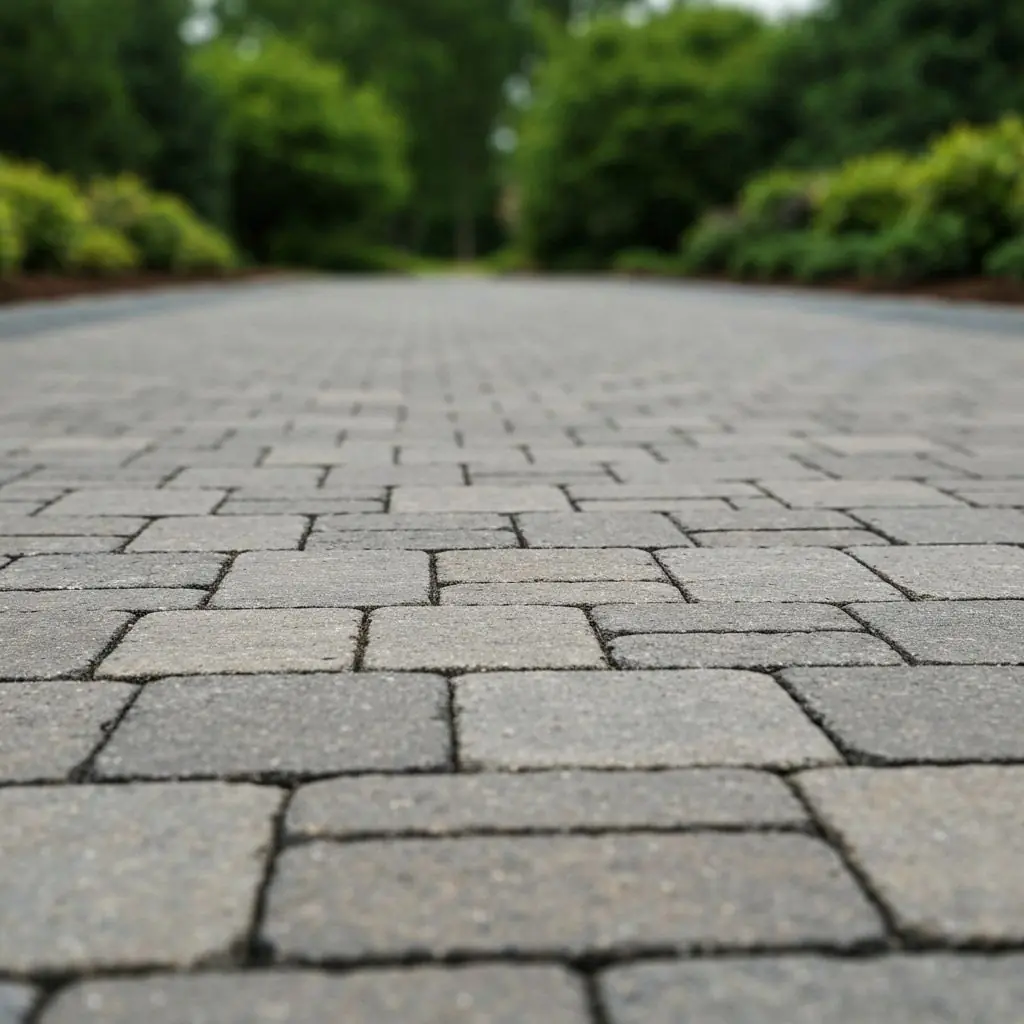
Using the correct amount of stone dust under pavers is crucial for a successful installation. Too little material leads to shifting and settling, while too much wastes money and can cause drainage issues. This comprehensive guide explains exactly how much stone dust you need and how to install it properly for optimal results.
Why Stone Dust Under Pavers?
Stone dust serves as a stable base layer that prevents pavers from shifting, settling, or cracking. Unlike sand, stone dust compacts tightly and locks together, creating a firm foundation that distributes weight evenly. This is especially important for driveways and patios that will bear heavy loads.
The material also provides excellent drainage while maintaining stability. When properly installed, stone dust creates a level surface that supports pavers for decades. Our stone dust calculator helps you determine the exact amount needed for your project. For a comprehensive calculation guide, see how much stone dust do I need.
Standard Depth Requirements
The standard depth for stone dust under pavers is 1 inch (0.083 feet). This depth provides:
- Adequate stability for most residential applications
- Proper drainage without excessive material
- Cost-effective material usage
- Easy compaction and leveling
For heavy-duty applications like driveways or commercial areas, increase the depth to 2 inches. Always check local building codes, as some areas have specific requirements for base material depth.
Step-by-Step Calculation
Step 1: Measure Your Paver Area
Measure the length and width of your paver area in feet. For irregular shapes, break the area into rectangles and calculate each section separately. Include any curves or angles in your measurements.
Step 2: Calculate Square Footage
Multiply length × width to get total square footage. For example, a 20-foot × 15-foot patio equals 300 square feet.
Step 3: Convert Depth to Feet
Convert the depth from inches to feet. For 1 inch: 1 ÷ 12 = 0.083 feet. For 2 inches: 2 ÷ 12 = 0.167 feet.
Step 4: Calculate Cubic Feet
Multiply square footage × depth in feet to get cubic feet.
Formula: Cubic Feet = Square Feet × Depth (feet)
Example: 300 sq ft × 0.083 ft = 24.9 cubic feet
Step 5: Convert to Cubic Yards
Divide cubic feet by 27 to get cubic yards (1 cubic yard = 27 cubic feet).
Formula: Cubic Yards = Cubic Feet ÷ 27
Example: 24.9 cubic feet ÷ 27 = 0.92 cubic yards
Step 6: Add Extra for Compaction
Always add 10% extra to account for compaction and leveling. Multiply cubic yards by 1.1, then round up to the nearest quarter yard.
Formula: Final Cubic Yards = (Cubic Yards × 1.1) rounded up
Example: 0.92 × 1.1 = 1.01 cubic yards (order 1.25 yards)
Quick Reference Table
Use this table to quickly estimate stone dust needs for common paver areas:
| Area (sq ft) | 1 inch depth (yards) | 2 inch depth (yards) | Tons (1 inch) |
|---|---|---|---|
| 100 | 0.31 | 0.62 | 0.43 |
| 200 | 0.62 | 1.23 | 0.87 |
| 300 | 0.92 | 1.85 | 1.29 |
| 400 | 1.23 | 2.47 | 1.72 |
| 500 | 1.54 | 3.09 | 2.16 |
Note: Values include 10% extra for compaction. Round up to nearest quarter yard when ordering.
Proper Installation Layers
Understanding the complete installation structure helps you calculate materials correctly:
- Excavated soil: Remove existing soil to proper depth (pavers + sand + stone dust + base)
- Gravel base (optional): 4-6 inches for heavy-duty applications or poor soil conditions
- Stone dust layer: 1 inch compacted (this is what we're calculating)
- Sand layer: 1 inch for leveling and setting pavers
- Pavers: Installed in the sand layer
Important: Pavers should never sit directly on stone dust. Always use a sand layer between the compacted stone dust and pavers for proper installation.
Installation Best Practices
Follow these professional tips for optimal results:
- Proper compaction: Use a plate compactor to achieve 95% compaction. Make multiple passes in different directions.
- Moisture content: Slightly damp stone dust compacts better than bone dry material. Add water if needed.
- Level surface: Use a screed board to create a perfectly level surface before compacting.
- Consistent depth: Maintain 1-inch depth throughout the entire area for uniform support.
- Edge restraints: Install edge restraints before adding stone dust to contain the material.
Common Mistakes to Avoid
Avoid these frequent errors that compromise paver installations:
- Insufficient depth: Less than 1 inch doesn't provide adequate stability
- Inadequate compaction: Poor compaction leads to settling and shifting over time
- Uneven surface: An unlevel base causes pavers to shift and creates tripping hazards
- Placing pavers directly on stone dust: Always use a sand layer between stone dust and pavers
- Not ordering enough: Always add 10% extra to account for compaction and waste
Using Crusher Dust
Crusher dust works identically to stone dust under pavers. Use the same 1-inch depth and calculation method. Both materials provide excellent stability when properly installed. The key is ensuring the material is well-screened and free of large particles that could affect leveling.
For more information on the differences between these materials, see our guide on stone dust vs crusher dust. For larger aggregate needs, check our guide on how much crushed stone you need.
Calculate Your Stone Dust Needs
Use our free stone dust calculator to get instant, accurate estimates for your paver project. No signup required!
Calculate Stone Dust →