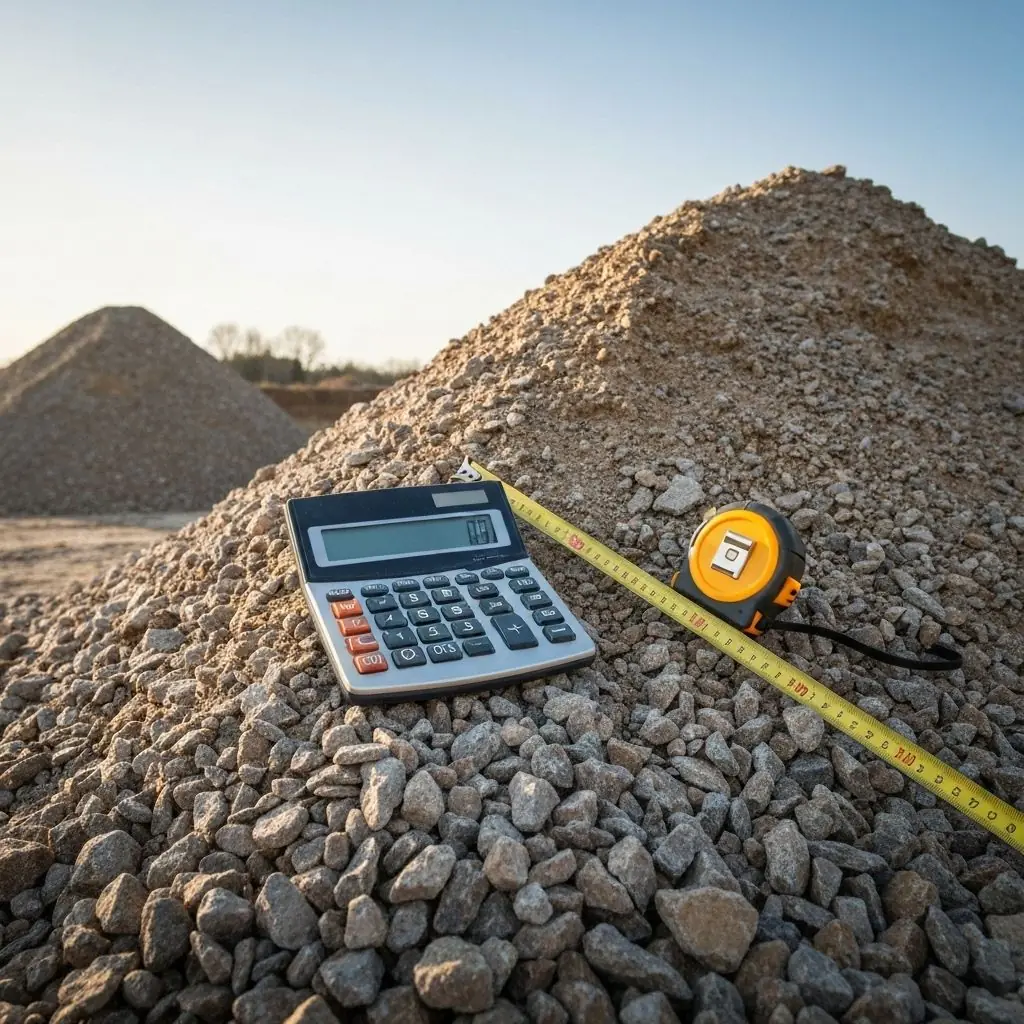
Calculating stone coverage accurately is essential for any landscaping or construction project. Whether you're planning a driveway, patio, or garden pathway, understanding how to estimate the right amount of stone saves money, reduces waste, and ensures professional results.
Understanding Stone Coverage Basics
Stone coverage refers to the area that a specific volume or weight of stone material will cover at a given depth. The coverage depends on three main factors: the area dimensions, the desired depth, and the type of stone material you're using.
Different stone types have varying densities and compaction rates. For example, crushed stone compacts more than river rock, affecting the final coverage. Understanding these differences is crucial for accurate estimation. For volume calculations, see our guide on how many yards of stone you need.
The Basic Coverage Formula
Coverage Calculation Formula
Area (sq ft) × Depth (inches) ÷ 12 = Cubic Feet
Cubic Feet ÷ 27 = Cubic Yards
Step-by-Step Calculation Process
- Measure the area: Calculate the square footage of your project area. For rectangles, multiply length × width. For circles, use πr² (3.14 × radius²).
- Determine depth: Decide how deep you want the stone layer. Common depths are 2-4 inches for pathways and 4-6 inches for driveways.
- Calculate volume: Multiply area by depth (in feet) to get cubic feet. Divide by 27 to convert to cubic yards.
- Add compaction factor: Add 10-15% extra material to account for settling and compaction.
Practical Example
Example: Driveway Stone Coverage
Project: 20 ft × 30 ft driveway with 4-inch stone depth
- • Area: 20 × 30 = 600 square feet
- • Volume: 600 × (4 ÷ 12) = 200 cubic feet
- • Cubic yards: 200 ÷ 27 = 7.4 cubic yards
- • With 15% compaction: 7.4 × 1.15 = 8.5 cubic yards needed
For this driveway project, you would need approximately 8.5 cubic yards of stone. Using our driveway stone calculator can help verify these calculations and provide cost estimates.
Coverage by Stone Type
Different stone materials have varying coverage rates per ton. Here's a general guide for common stone types at 2-inch depth:
| Stone Type | Coverage per Ton | Typical Use |
|---|---|---|
| Crushed Stone | 100 sq ft | Driveways, base material |
| Pea Gravel | 90 sq ft | Pathways, decorative |
| River Rock | 80 sq ft | Landscaping, drainage |
| Stone Dust | 120 sq ft | Paver base, leveling |
For specific stone types, check our detailed guides: 3/4 inch stone calculations, crushed stone quantities, and stone dust measurements.
Tips for Accurate Calculations
- Always measure twice: Double-check your area measurements before ordering materials to avoid costly mistakes.
- Account for compaction: Add 10-15% extra for settling, especially for base materials and driveways.
- Consider irregular shapes: Break complex areas into simple shapes and calculate each section separately.
- Use online calculators: Verify your manual calculations with our stone calculator tool for accuracy.
Common Mistakes to Avoid
Even experienced contractors can make calculation errors. Here are the most common mistakes and how to avoid them:
- ✗Forgetting unit conversions: Always convert inches to feet before calculating cubic measurements.
- ✗Ignoring compaction: Failing to add extra material for settling leads to insufficient coverage.
- ✗Using wrong stone density: Different stones have different weights per cubic yard, affecting tonnage calculations.
Using Digital Tools
While manual calculations are valuable for understanding the process, digital calculators provide quick, accurate results. Our comprehensive suite of tools includes specialized calculators for different project types:
- • Stone Veneer Calculator - For wall cladding projects
- • Paver Base Calculator - For patio and walkway foundations
- • Drainage Stone Calculator - For French drains and water management
External Resources
For additional information on stone materials and landscaping best practices, consider these authoritative resources:
- • Concrete Network - Aggregate Guide - Comprehensive information on stone aggregates
- • Better Homes & Gardens - 7 Common Gravel Mistakes to Avoid - Expert advice on selecting and using gravel
Frequently Asked Questions
What is the formula for calculating stone coverage?
The basic formula is: Area (sq ft) × Depth (inches) ÷ 12 = Cubic feet needed. Then divide by 27 to convert to cubic yards. For example, a 100 sq ft area with 3-inch depth needs: 100 × 3 ÷ 12 = 25 cubic feet or 0.93 cubic yards.
How much area does a ton of stone cover?
One ton of stone typically covers 80-100 square feet at 2 inches deep, or 40-50 square feet at 4 inches deep. Coverage varies based on stone type and density. Crushed stone covers approximately 100 sq ft per ton at 2-inch depth.
Do I need to add extra stone for compaction?
Yes, add 10-15% extra material to account for compaction and settling. For crushed stone base materials, add 15-20% extra. This ensures adequate coverage after the stone settles into place.
How do I calculate stone for irregular shapes?
Break irregular areas into smaller rectangles, triangles, or circles. Calculate each section separately, then add them together. For very irregular shapes, use the grid method: overlay a grid and count squares, estimating partial squares.
Ready to Calculate Your Stone Coverage?
Use our free stone calculator to get instant, accurate estimates for your project. Save time and avoid costly material mistakes.
Calculate Now →Conclusion
Calculating stone coverage doesn't have to be complicated. By understanding the basic formulas, accounting for compaction, and using the right tools, you can accurately estimate material needs for any project. Whether you're a professional contractor or a DIY homeowner, mastering these calculations ensures successful project completion within budget.
Remember to always verify your calculations, order slightly more material than calculated, and consult with local suppliers about specific stone characteristics in your area. With proper planning and accurate calculations, your stone project will look professional and last for years to come.